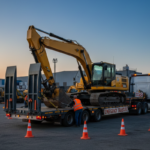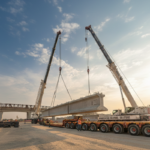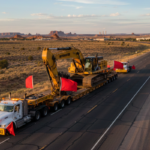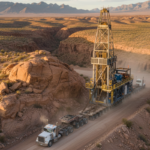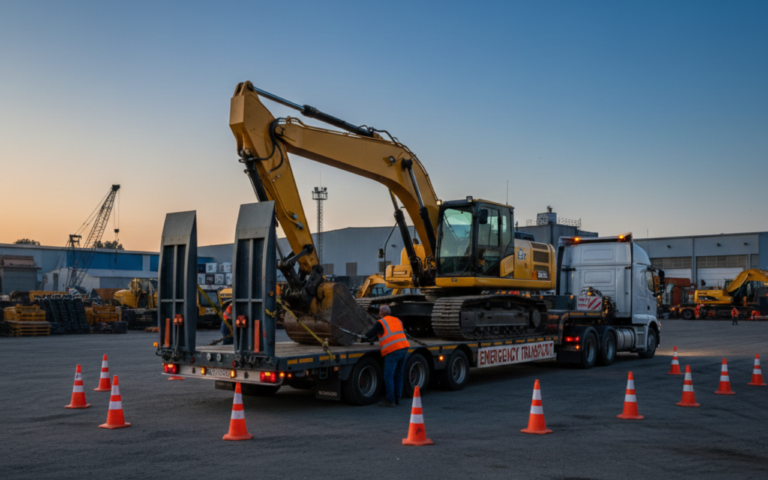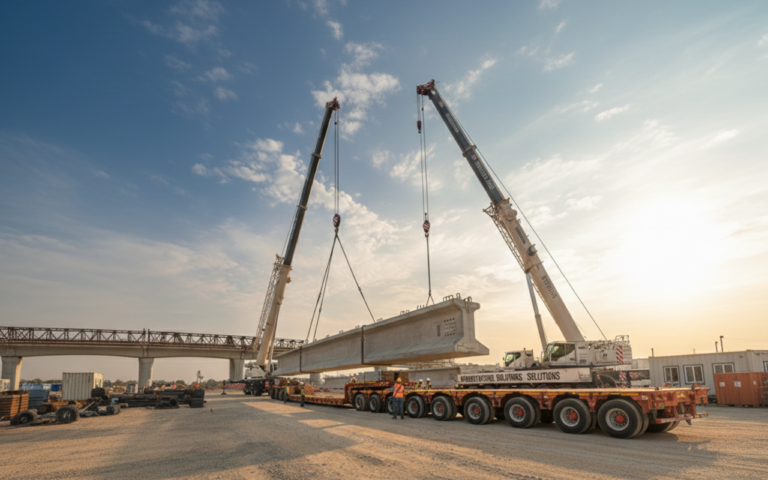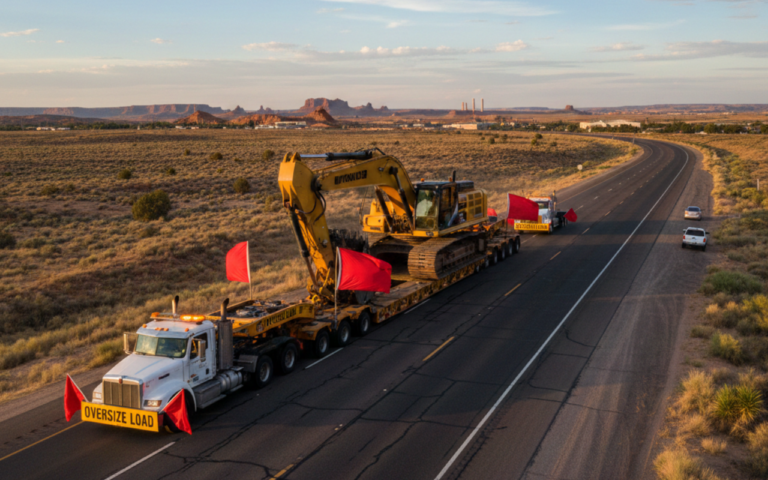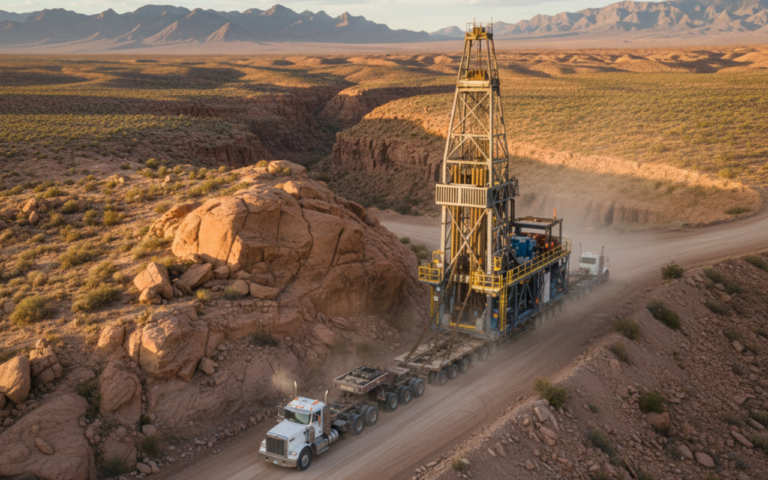
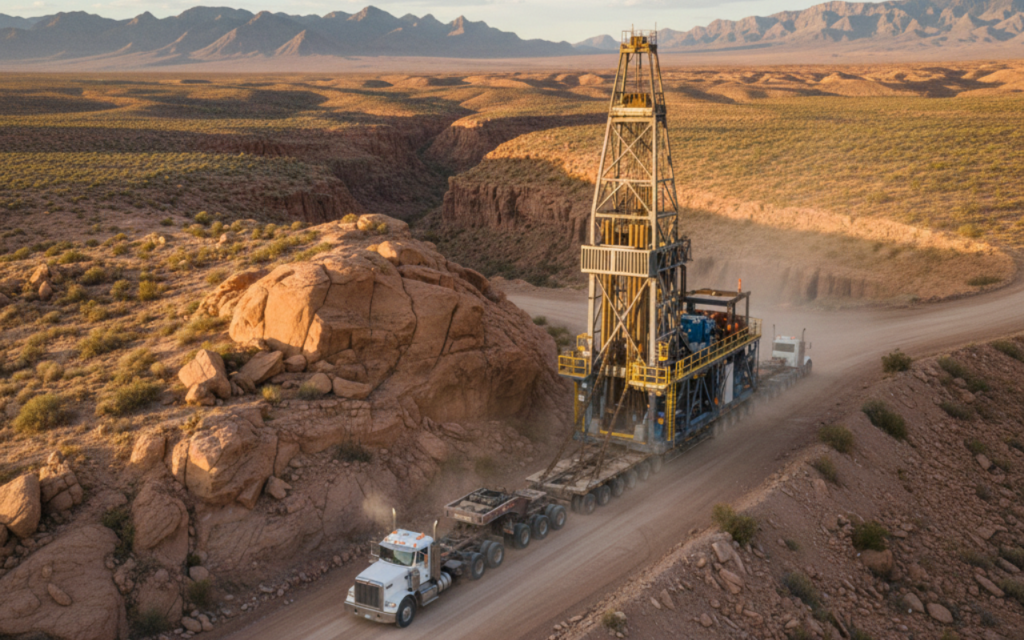
The oil and gas equipment transport industry faces some of the most complex heavy haul challenges. Remote drilling sites, massive equipment weighing hundreds of thousands of pounds, and strict delivery deadlines make timely, safe transport critical. From Arctic tundra to desert badlands, moving oilfield equipment requires specialized logistics, expertise, and safety protocols.
With over 15,000 active drilling rigs in North America and constant movement of support equipment, oil and gas equipment transport represents a multi-billion-dollar market. In this guide, we explore the unique challenges, equipment types, and best practices to ensure safe, efficient transport to even the most remote locations.
Understanding Oil and Gas Equipment Transport Demands
Oil and gas equipment transport is fundamentally different from general construction or industrial transport. Sites are often chosen for geology rather than accessibility, with minimally maintained access roads, seasonal ice roads, or specially constructed routes for equipment delivery.
Time pressures are intense. Delays can cost operators $50,000–$500,000 per day, making efficient transport critical. Every project requires precise planning, coordination, and expertise.
Common Oilfield Equipment Requiring Specialized Transport
- Drilling rigs and derricks (150,000–500,000 pounds in sections)
- Mud pumps and tanks (40,000–120,000 pounds)
- Generators and power modules (60,000–150,000 pounds)
- Fracking equipment and tanks (variable, often superload)
- Compressor stations (100,000+ pounds)
- Pipe and casing (up to 100+ feet)
- Processing modules and separators
- Water injection equipment
- Sand and chemical handling systems
For best practices, check out U.S. DOT’s Heavy Vehicle Guidelines.
Remote Location Challenges in Oil and Gas Equipment Transport
Transporting equipment to remote drilling sites comes with unique obstacles:
Unpaved Roads and Seasonal Accessibility
Access roads may become impassable due to rain, thaw, or frozen ground. Seasonal ice roads are often the only viable route in northern regions. Specialized transport companies conduct route surveys evaluating road quality, load capacity, bridges, weather conditions, and clearance issues.
For example, transporting a 300,000-pound modular rig section to northern Canada requires route planning months in advance, accounting for seasonal ice road windows that may only last 4–6 weeks each year.
Bridges and Weight Restrictions
Bridges on remote routes may not support superloads. Transport teams conduct structural evaluations, identify alternative crossings, or coordinate temporary reinforcements to safely move equipment. Engineering assessments often involve load distribution studies and coordination with civil authorities.
Ground Stabilization and Road Matting
Soft ground conditions require portable road matting—heavy-duty mats distributing weight over larger surfaces. Road matting supports loads exceeding 150,000 pounds, reducing the risk of vehicle or equipment damage.
These mats are also used in environmentally sensitive areas, such as wetlands, to prevent soil disruption while allowing equipment transport.
Vegetation and Terrain Management
Dense forests, marshlands, or uneven terrain may require clearing, soil stabilization, or grading to accommodate wide loads. Environmental regulations ensure minimal ecological impact during transport. Companies often employ environmental engineers to plan routes that balance operational needs with ecological protection.
Security in Oil and Gas Equipment Transport
High-value equipment attracts theft, especially in remote areas. Oil and gas equipment transport providers implement:
- GPS tracking and real-time monitoring
- Communication protocols with regular check-ins
- Route security assessments
- Coordination with private security for high-value loads
In addition, transport projects in politically sensitive regions may require risk assessment protocols, including coordination with local authorities and insurance coverage for high-value equipment.
Permitting and Compliance for Oilfield Equipment Transport
Oil and gas transport often involves superloads requiring multi-jurisdiction permits:
- Private land easements and agreements
- State and federal land use permits
- Roads managed by energy companies with access protocols
- Tribal land permits
Professional transport providers coordinate all permitting to prevent costly delays. Multi-permit coordination can take months for complex projects. More info: Federal Highway Administration.
Specialized Expertise for Oil and Gas Equipment Transport
At Alcazar’s Transport & Heavy Haul, we deliver equipment to drilling sites across North America—from Arctic operations to remote deserts. Our services include:
- Route surveys for challenging terrain
- Ground stabilization and road matting
- Multi-permit coordination
- 24/7 monitoring and communication
Experienced providers ensure your equipment reaches its destination safely, efficiently, and on time.
Safety Protocols in Oil and Gas Equipment Transport
OSHA and DOT regulations guide safe oilfield transport. Safety protocols include:
- Pre-transport load inspections
- Driver training for heavy and superload hauling
- Escort vehicles for oversized loads
- Emergency contingency plans for weather or mechanical issues
For high-risk transport operations, safety officers are often embedded with the transport crew to enforce compliance and monitor risk in real-time. Learn more at Occupational Safety and Health Administration.
Best Practices in Equipment Handling
Proper handling ensures operational readiness and prevents damage:
- Modular Transport: Breaking large equipment into sections for safe transport
- Weight Distribution Analysis: Calculating trailer configurations for balanced loads
- Specialized Rigging: Using hydraulic lifts, cranes, and custom supports
- Environmental Compliance: Minimizing soil disturbance and protecting wetlands
- Shock Absorption Techniques: Using vibration-damping equipment to protect sensitive machinery during transport
Logistics Management for Oilfield Transport
Comprehensive project planning is essential:
- Multi-jurisdiction permit coordination
- Scheduling during optimal weather windows
- Staging and on-site delivery management
- Operator communication for timing alignment
Effective project management minimizes downtime and protects millions in investment. For instance, a delay in fracking equipment delivery can stall operations for weeks, costing operators significant revenue.
Innovative Technology in Oil and Gas Equipment Transport
Technology increases efficiency and safety:
- GPS Fleet Tracking: Real-time monitoring of vehicles and equipment
- Drone and Satellite Surveys: Conducting remote inspections and route planning
- Automated Load Monitoring: Preventing overloading and structural failures
- Digital Permitting Platforms: Streamlining approvals across jurisdictions
Emerging trends like AI-powered predictive logistics are also helping companies anticipate delays, optimize routes, and reduce transport costs.
Environmental Considerations in Oil and Gas Equipment Transport
Transporting heavy equipment across sensitive ecosystems requires careful planning:
- Avoiding wetlands and protected habitats
- Using portable road mats to prevent soil compaction
- Minimizing vehicle idling to reduce carbon emissions
- Coordinating with environmental regulators for compliance
Sustainable practices not only protect the environment but also enhance the company’s reputation and reduce liability.
Case Study: Arctic Equipment Transport
A recent Arctic operation required moving a 450,000-pound drilling rig to a site accessible only via seasonal ice roads. Alcazar’s Transport & Heavy Haul coordinated:
- Multi-jurisdiction permitting with federal, provincial, and private landowners
- Temporary ice road reinforcement using engineered load distribution
- Real-time GPS tracking and communication for safety
- Pre-deployment environmental surveys to minimize habitat impact
The project was completed safely, ahead of schedule, demonstrating the importance of expertise, technology, and meticulous planning.
Why Choose a Specialized Oil and Gas Equipment Transport Provider
Not all heavy haul companies can handle oilfield transport challenges. Specialized providers:
- Have industry-specific experience
- Possess equipment for superloads
- Employ trained personnel for hazardous environments
- Coordinate multi-jurisdiction operations
- Offer full project management and support
Choosing a skilled provider mitigates risk, protects equipment, and ensures timely delivery.
Future Trends in Oil and Gas Equipment Transport
- Autonomous vehicles: Reducing driver fatigue and improving efficiency
- AI-based logistics optimization: Predicting delays and route issues
- Hybrid and electric heavy haul trucks: Reducing environmental impact
- Enhanced predictive maintenance: Monitoring trailers and trucks to prevent breakdowns
- Integration with IoT devices: For real-time equipment health monitoring during transport
Frequently Asked Questions (FAQs)
1. What qualifies as oil and gas equipment transport?
Transporting drilling rigs, pumps, compressors, fracking tanks, and other oversized equipment to drilling sites.
2. How do companies ensure safety in remote equipment transport?
Through driver training, GPS tracking, escort vehicles, route planning, load inspections, and adherence to OSHA and DOT standards.
3. What are common challenges in oil and gas equipment transport?
Unpaved roads, seasonal accessibility, bridge weight restrictions, vegetation management, theft prevention, and multi-jurisdiction permits.
4. Why is professional expertise necessary for oilfield transport?
Expertise ensures safe route surveys, ground stabilization, permit coordination, and proper handling of heavy equipment.
5. How is technology improving oil and gas equipment transport?
GPS tracking, drones, automated load monitoring, digital permits, and AI-based predictive logistics improve safety, efficiency, and cost management.
6. How can environmental concerns be addressed in oilfield transport?
Portable road mats, route planning, minimal soil disturbance, and compliance with environmental regulations reduce impact.
7. What is a superload in oil and gas transport?
A superload is a shipment exceeding standard weight or dimension limits, requiring special permits and route planning.
Conclusion
Safe, efficient oil and gas equipment transport requires expertise, specialized equipment, and meticulous planning. From navigating remote roads and seasonal limitations to securing superloads and adhering to environmental regulations, the process is complex but manageable with the right partner.
At Alcazar’s Transport & Heavy Haul, we provide tailored transport solutions, ensuring your equipment arrives safely and on schedule.
Get Your Oilfield Transport Quote Today – Contact our energy sector specialists for a consultation. Call +1 (714) 305-7377 or visit alcazarstransport.com.