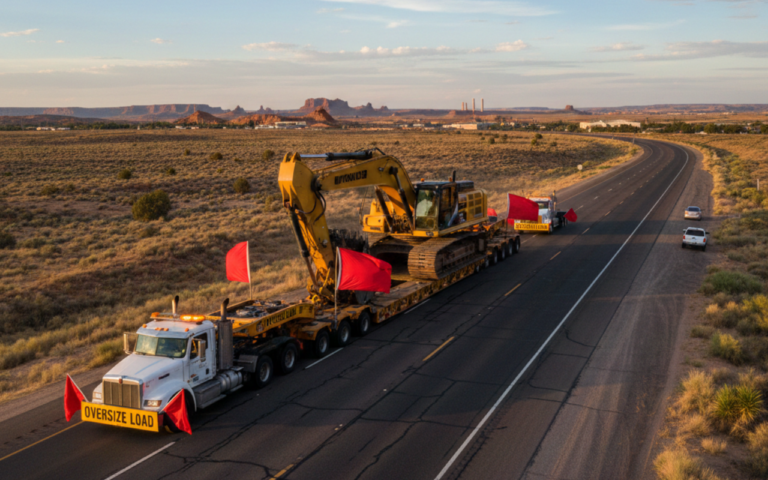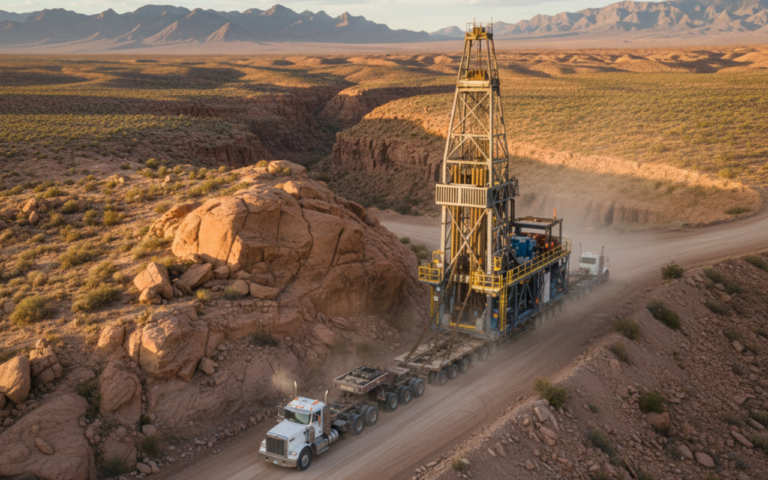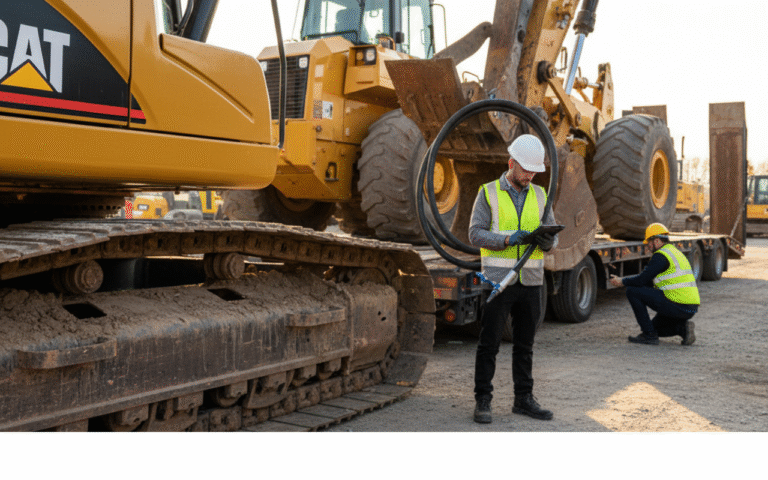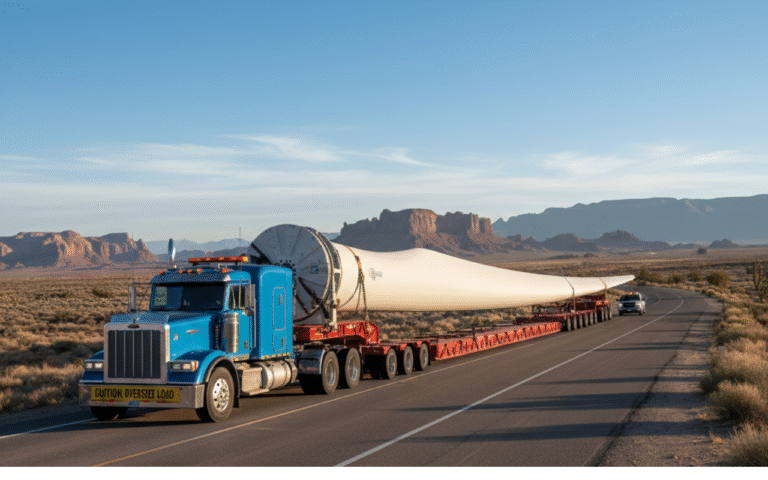
Real-time tracking for oversized loads is no longer a convenience—it is an operational necessity. In heavy equipment transport, every mile introduces variables that can affect safety, compliance, and project schedules. Therefore, relying on assumptions or periodic updates is not enough. High-value machinery requires certainty at every stage of transit.
Oversized and heavy haul shipments must navigate strict regulations, limited travel windows, and tightly coordinated project schedules. Even a minor delay can cascade into lost labor hours, extended equipment rentals, or missed project deadlines. Consequently, real-time tracking for oversized loads has become a vital tool for shippers, carriers, and project managers alike.
With modern GPS-based tracking technology, logistics teams gain continuous visibility, accurate delivery forecasts, and verifiable proof of movement. Instead of reacting to problems after they happen, transport managers can plan proactively, mitigate risk, and maintain control throughout the shipment lifecycle. For professional solutions, explore our Heavy Haul Transportation Services to learn how we support projects of any size.
The Importance of Visibility in Heavy Haul Transport
Visibility is more than simply knowing where equipment is. It directly impacts operational efficiency, cost management, and project reliability. When transporting oversized machinery, visibility is ensured:
- Project timelines are maintained
- Equipment is protected from theft or damage
- Compliance with state and federal regulations is ensured
- Resource planning is precise and efficient
Without real-time tracking, even minor disruptions can escalate into costly problems. For instance, delays caused by unexpected road closures, pilot car coordination, or weather-related restrictions can derail schedules. With robust GPS tracking, these risks are mitigated, giving teams the foresight to act proactively rather than reactively.
Common Challenges in Oversized Load Transport
Oversized equipment transport faces unique challenges compared to standard freight:
- Regulatory Differences Across States: Each state may impose specific route, size, or permit requirements.
- Unexpected Weather or Road Closures: Storms, construction, or accidents can create unforeseen delays.
- Coordination with Pilot Cars and Escorts: Effective communication is essential to maintain safe and compliant transport.
- High-Value Equipment Risks: Machinery worth hundreds of thousands of dollars requires constant monitoring to ensure protection.
- Limited Travel Windows: Curfews or restricted travel times often create tight scheduling constraints.
Real-time tracking addresses each of these challenges by providing immediate updates, alerts, and actionable insights.
What Is Real-Time Tracking for Oversized Loads?
At its core, real-time tracking involves installing commercial-grade GPS systems on heavy haul trucks and trailers to monitor shipments continuously. These systems transmit location updates every 5–15 minutes, offering near-live visibility.
Oversized loads face several unique complexities:
- Strictly permitted routes and travel windows
- Coordination with escort vehicles and pilot cars
- Height, width, and weight restrictions
- Mandatory inspections at weigh stations
- Weather- and wind-related travel limitations
Tracking ensures that shipments remain compliant, secure, and predictable from origin to destination.
For more on professional transport capabilities, check out Alcazar’s Construction Equipment Transport.
How GPS Tracking Technology Works in Heavy Haul Transport
Modern GPS tracking systems are built for the demands of heavy haul operations. Unlike consumer-grade devices, these systems provide accurate, continuous data even across remote routes or industrial zones.
Rugged, Hardwired GPS Units
Professional providers use industrial-grade GPS units that are:
- Hardwired into trucks or trailers
- Resistant to vibration, heat, dust, and moisture
- Equipped with backup power for uninterrupted operation
This ensures tracking remains active during inspections, extended stops, or unexpected power interruptions.
Frequent Location and Status Updates
Tracking systems transmit movement data every few minutes, providing precise location, speed, and status. Updates include:
- Stop, idle, and restart indicators
- Route adherence monitoring
- Geofencing alerts for entry or exit from critical zones
Consequently, logistics teams always maintain a clear and accurate picture of shipments.
Advanced Tracking Capabilities
Beyond basic location tracking, modern systems offer advanced insights:
- Route Adherence Monitoring: Confirms shipments follow approved permit routes, reducing compliance risks.
- Speed Tracking: Ensures safe operation and adherence to regulations.
- Stop Duration Analysis: Identifies time spent at inspections, weigh stations, or unplanned delays.
- Idle Time Analysis: Highlights inefficiencies requiring immediate attention.
- Predictive Delivery Estimates: Uses historical data to anticipate accurate arrival times.
These capabilities transform logistics from reactive problem-solving into proactive management.
Real-World Examples of Tracking Impact
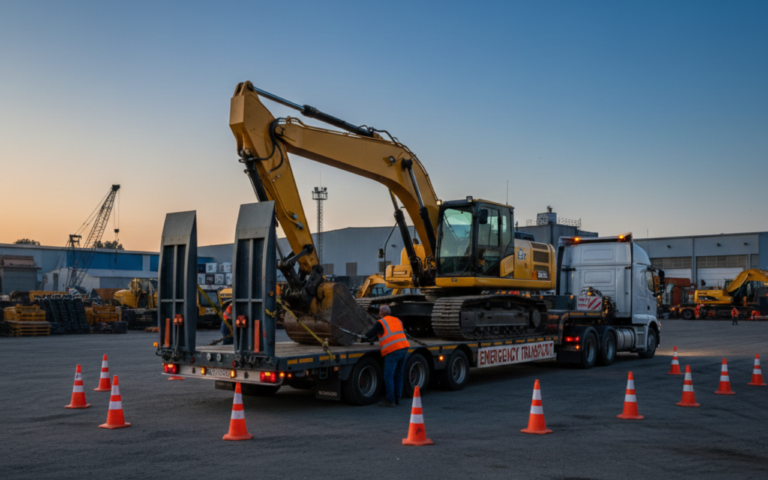
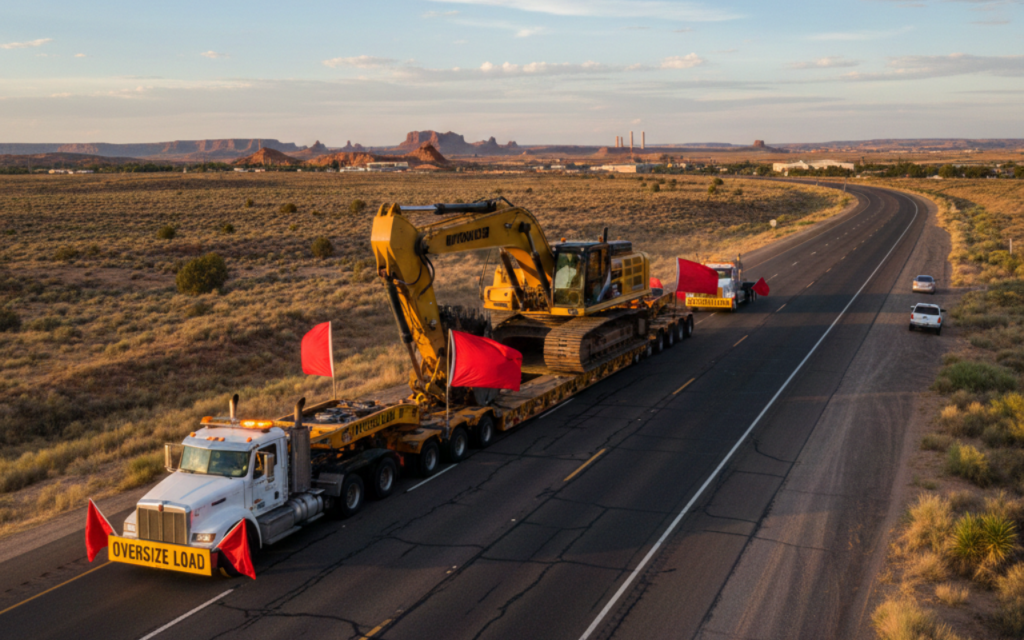
Case Study 1: A $500,000 excavator shipped from California to Texas encountered unexpected highway congestion. Thanks to real-time tracking alerts, the project manager adjusted unloading schedules, avoiding idle crane and crew time.
Case Study 2: An oversized generator shipment deviated from its permitted route. Geofencing alerts enabled immediate intervention, ensuring compliance and avoiding fines.
These examples demonstrate how real-time tracking for oversized loads delivers measurable operational benefits and cost savings.
Predictive Analytics and Project Planning
Tracking goes beyond location—it enables predictive analytics, turning raw data into actionable insights:
- Anticipate delays caused by traffic, inspections, or weather conditions.
- Optimize routes to reduce fuel consumption and transit time.
- Improve fleet planning for multiple shipments simultaneously.
- Identify seasonal bottlenecks and recurring challenges for future projects.
By integrating predictive analytics, transport managers can transform logistics into a proactive, data-driven process that saves time and reduces costs.
Safety and Risk Management
Tracking technology significantly enhances safety and risk management:
- Monitors driver behavior to ensure safe speeds and operations.
- Sends alerts for restricted roads, hazard zones, or emergency detours.
- Enables rapid response to incidents, minimizing downtime and damage.
- Supports insurance claims with verifiable proof of shipment history.
Proactive risk management is particularly important for high-value equipment and complex project schedules.
Environmental and Efficiency Benefits
Real-time tracking also delivers sustainability and efficiency advantages:
- Reduces idle time and fuel consumption through optimized routing.
- Supports environmentally responsible transport practices.
- Helps fleet managers deploy vehicles more effectively, lowering operational costs.
These factors combine operational, financial, and environmental ROI, making tracking a comprehensive investment.
Benefits for Shippers
- Predictable Delivery Planning: Align shipments with site readiness.
- Reduced Communication Burden: Stakeholders access updates independently.
- Early Identification of Delays: Adjust schedules proactively.
- Accurate Documentation and Reporting: Supports billing, audits, and internal reviews.
- Integration with Project Management Tools: Streamlines operations through automated updates and reporting.
Benefits for Transport Providers
- Operational Efficiency: Optimize routes and improve planning for future shipments.
- Safety Oversight: Monitor driver behavior and enforce safety standards.
- Cargo Security: Prevent theft or unauthorized movement of high-value equipment.
- Environmental Responsibility: Reduce fuel usage and emissions through smarter route planning.
Using Tracking Data to Improve Project Management
Tracking data can enhance project management in multiple ways:
- Align Deliveries with Site Readiness: Minimize idle labor and equipment costs.
- Long-Term Planning: Identify trends, bottlenecks, and seasonal challenges.
- Stakeholder Confidence: Transparency demonstrates control, reliability, and professionalism.
Regulatory Compliance
Tracking also ensures compliance with local, state, and federal regulations. By documenting approved routes, travel times, inspections, and delays, businesses align closely with FMCSA regulations. This provides protection during audits, insurance claims, and compliance reviews.
Client Success Stories
- Construction Project: Critical machinery arrived on time, preventing costly labor delays.
- Energy Infrastructure: Oversized generator shipments maintained route compliance, avoiding fines.
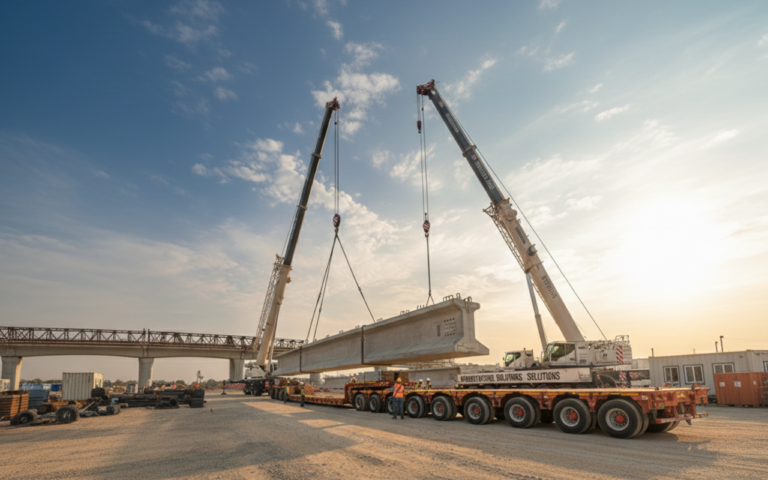
- Municipal Projects: Real-time alerts allowed rerouting due to traffic and weather, ensuring on-time delivery for bridge construction.
These examples show how visibility directly improves project outcomes.
Request a Quote or Consultation
We invite you to request a quote or consultation to learn how Alcazar’s Transport & Heavy Haul can optimize your oversized load transport. Our team will explain how real-time visibility enhances efficiency, safety, and compliance.
Contact us today at +1 (714) 305-7377 or visit Alcazar’s contact page to get started.
Frequently Asked Questions (FAQ)
Q1: How often is location data updated?
A1: Every 5–15 minutes for near real-time visibility.
Q2: Can tracking help with compliance audits?
A2: Yes, it documents routes, inspections, and timing, supporting FMCSA alignment.
Q3: Is tracking information secure?
A3: All data is protected via secure portals with role-based access permissions.
Q4: Can multiple stakeholders access tracking data?
A4: Yes, portals support multiple users with controlled access.
Q5: How does heavy haul tracking differ from standard GPS?
A5: It includes geofencing, route adherence, predictive ETAs, and compliance documentation.
Final Takeaway
In today’s heavy haul industry, real-time tracking for oversized loads is essential for project success. It transforms uncertainty into predictability, keeps schedules intact, ensures compliance, and strengthens stakeholder confidence. By knowing exactly where high-value equipment is, anticipating potential disruptions, and planning proactively, businesses avoid costly delays and maximize efficiency.